For decades, betting followed a familiar script: pick a side, lock in a wager, and wait for the final result. Today, that script is being rewritten. A growing number of betting enthusiasts are gravitating toward online prediction markets, drawn by an experience that feels faster, more interactive, and more closely aligned with how people already consume information.
These platforms blur the line between betting, trading, and real-time analysis, allowing users to engage with outcomes as they unfold rather than after the fact.
Understanding why prediction markets are gaining global traction means looking beyond odds and payouts to the behaviors, expectations, and motivations of modern betting audiences.
The Appeal of Markets That Move in Real Time
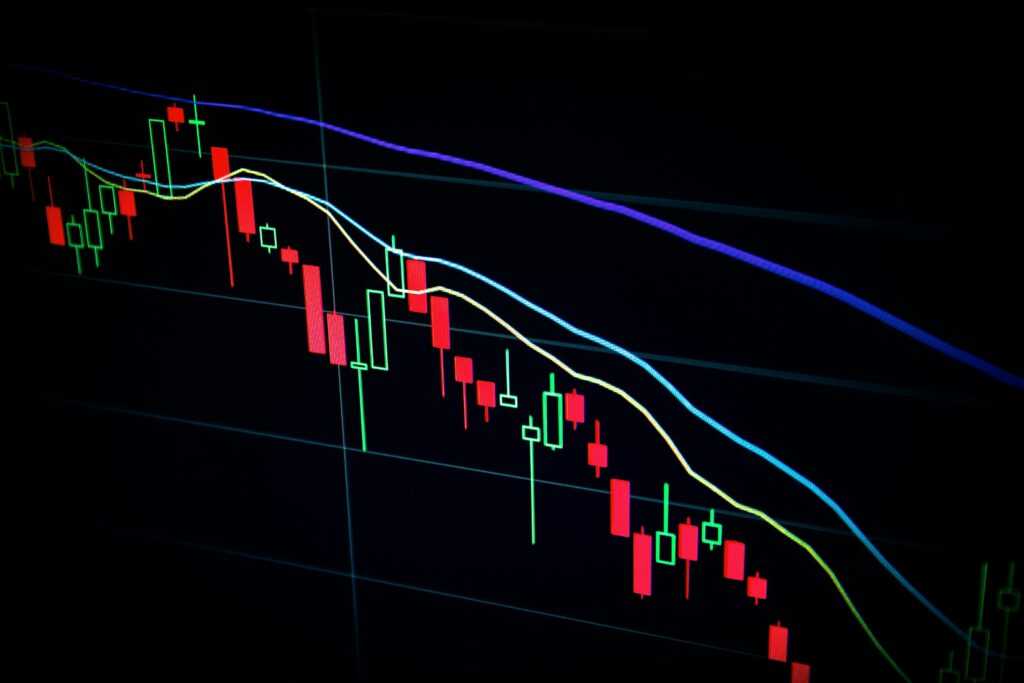
Prediction markets operate like living forecasts. Prices shift continuously as new information emerges, whether that’s a breaking news alert, an injury update, or a sudden change in public sentiment. For betting audiences used to refreshing news feeds and live scores, this immediacy feels natural.
Traditional odds often lag behind events, updating only after bookmakers reassess exposure. Prediction markets respond instantly because prices are driven by user activity. That responsiveness gives participants a sense of being plugged directly into the flow of information, rather than reacting to it after the fact.
The result is a more immersive experience. Watching prices move can feel like tracking a heartbeat of collective opinion. For many users, simply observing how probabilities evolve becomes a way to stay informed, turning prediction markets into both an entertainment option and an alternative lens on current events.
Peer-to-Peer Models and the Rise of User-Driven Odds
Another reason prediction markets resonate is their peer-to-peer structure. Instead of betting against a centralized house, users trade directly with one another. Odds emerge from supply and demand, reflecting what participants collectively believe will happen.
This model appeals to bettors who value transparency. Fees are typically straightforward, and there’s no hidden margin baked into the odds. Successful participants aren’t penalized for being right too often (possibly resulting in reduced bet limits or account limitations), which removes a common frustration associated with traditional sportsbooks.
Options such as FanDuel prediction markets illustrate how this approach works in practice within a regulated environment. By acting as a neutral exchange rather than a counterparty, these platforms allow users to focus on expressing informed opinions and responding to market sentiment, not second-guessing the house’s motivations.
Beyond fairness, peer-to-peer markets introduce a social dimension. Users see their views reflected in prices, debate outcomes online, and feel part of a broader community shaping the market as a collective.
More Control and Flexibility Is Pulling Betting Audiences In
Control is a powerful draw. Prediction markets give users the ability to buy into an outcome, sell out early, or adjust positions as circumstances change. That flexibility stands in contrast to the “set it and forget it” nature of most traditional wagers.
For many betting audiences, this added control shows up in a few practical ways:
- Entering and exiting positions before an event concludes,
- Reducing exposure when confidence drops, or new information emerges,
- Locking in gains without waiting for final resolution,
- Responding quickly to breaking news or shifting sentiment.
For bettors accustomed to financial apps or fantasy sports management, this feels intuitive. Positions can be managed actively, exposure can be adjusted over time, and decisions evolve alongside the event itself.
This sense of agency changes the personal dynamic of betting. Users are no longer passive spectators waiting for a final whistle or announcement. Instead, they become participants who can respond to new information in real time. The experience rewards attentiveness and adaptability, qualities that many modern bettors already value.
Broader Event Coverage Is Driving Global Interest
Sports remain a major entry point, but prediction markets extend far beyond athletic events. Users can engage with outcomes tied to politics, economics, entertainment, and technology, often reflecting the same topics dominating global headlines.
That breadth matters for international audiences. Not every bettor follows the same leagues or competitions, but most people pay attention to major elections, economic indicators, or cultural moments. Prediction markets meet users where their interests already are.
This wide scope also fuels relevance. When a topic trends on social media or dominates news cycles, a corresponding market can quickly emerge. The ability to act on opinions about real-world events helps users engage more deeply with stories they are already discussing.
Data-Driven Curiosity and the Search for Better Insight
Many betting enthusiasts are motivated by more than excitement alone. They are curious about probabilities, trends, and the collective wisdom behind market movements. Prediction markets appeal to this mindset by aggregating diverse opinions into a single, constantly updating signal.
Prices often function as implied probabilities, offering a snapshot of what the crowd believes is most likely. For users skeptical of polls or pundit forecasts, this can feel refreshingly grounded. Markets reward accuracy, which encourages participants to act on credible information rather than speculation alone.
Resources like FanDuel Research complement this curiosity by providing analysis and context that help users interpret trends and market behavior. Together, data-driven insights and real-time pricing create an environment where learning and participation reinforce each other.
A New Way People Engage With Uncertainty
At their core, prediction markets reflect a broader shift in how people interact with uncertainty in a fast-moving digital world. Betting audiences are no longer satisfied with static experiences that offer little control or feedback over outcomes they follow closely.
They want speed, transparency, and the ability to act on information as it emerges in real time.
Prediction markets combine trading, social discussion, and forecasting into a single, interactive experience. They don’t replace traditional betting, but offer an alternative that fits modern habits and technologies.
As audiences seek more engaging and informed ways to express views on future outcomes, prediction markets are likely to remain a meaningful part of the betting landscape.