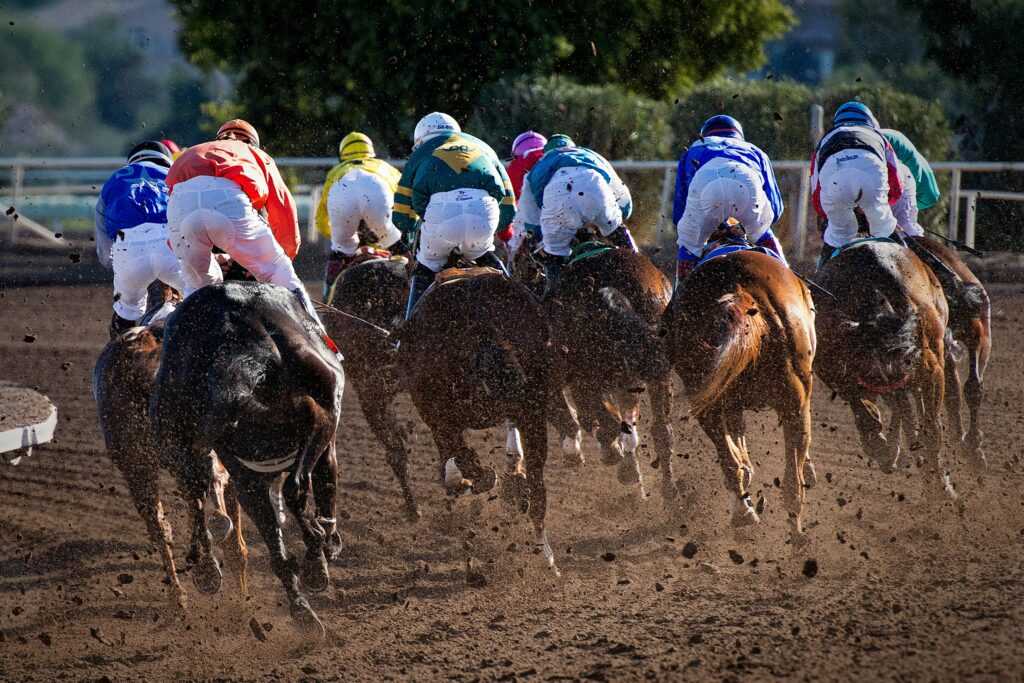
The Sunland Park Derby has become one of the calendar’s most intriguing prep races. With Kentucky Derby points at stake and lightly raced three-year-olds still taking shape, outcomes here tend to reward sharp analysis over reputation.
For racing enthusiasts, speed figures, pace metrics, and historical trends offer far more clarity than name recognition alone.
The 2026 edition looks especially tight. Several contenders arrive with legitimate statistical arguments, yet none separate themselves without scrutiny. That makes this an ideal race to strip things down to the essentials.
When margins are thin and talent is compressed, the key stats tell the clearest story.
Speed Figures Separate the Field
Speed figures remain the starting point for most bettors, and for good reason. They offer a snapshot of performance adjusted for track conditions and race flow. In Derby prep races, crossing into triple-digit territory often signals a horse capable of competing on a national level.
Express Kid leads the field with a 107 speed rating from the Remington Springboard Mile. That figure stands out, as Kentucky Derby winners typically post final prep numbers near 103. From a wagering standpoint, it forces the rest of the field to match that speed or find a different edge.
Not all speed figures carry equal weight. Daneyko and Way Beyond posted lower numbers in the Riley Allison Derby, but did so over a demanding mile while finishing far clear of the field. Their appeal lies in an upward trajectory, a pattern that often matters more than a single peak effort.
Buntus Foclora poses a different question. His 106 Aqueduct figure is impressive, but speed earned on one circuit does not always translate elsewhere. Bettors debate whether it reflects true ability or a peak likely to regress.
Pace Metrics and How Sunland Park Rewards Running Style
Speed tells part of the story. Pace explains how that speed is used, and at Sunland Park, efficiency often matters more than aggression. This dynamic consistently shapes which running styles sustain a runner’s advantage late.
Sunland Park typically rewards tactical flexibility over pure front-running speed. Early leaders can thrive, but the surface often punishes horses that expend too much energy too soon, giving stalkers and pressers a consistent edge.
Express Kid embodies that approach, applying pressure just off the lead without overcommitting. Way Beyond operates similarly, tracking leaders and making his move before deeper closers fully engage, a pattern that has repeatedly found success at Sunland Park.
Closers face a tougher assignment. Daneyko proved he can overcome pace disadvantages, but that style depends heavily on race flow, especially since the final fractions at 1 1/16 miles have become more predictive than fast early splits.
Side-by-Side Contender Profiles In Numbers
Contenders may look evenly matched on paper, but a closer look at the numbers reveals subtle differences that matter as race dynamics and distance come into play.
Side by side, speed and pace clarify the margins between runners.
| Horse | Statistical Strength | Key Edge | Primary Concern |
| Express Kid | Highest speed figure in the field | Pace profile fits Sunland Park’s presser-friendly tendencies | Late-race splits suggest gradual deceleration |
| Daneyko | Strong stamina & closing efficiency | Tactical versatility, able to sustain wide moves | Vulnerable in paceless or slow early scenarios |
| Way Beyond | Consistent speed figures at Sunland Park | Proven surface familiarity & tactical stalking style | Habit of finishing second raises win-conversion questions |
| Buntus Foclora | High peak speed figure | Raw speed that demands respect | Uncertainty regarding form across circuits |
| Forty Seven | Local conditioning and track familiarity | Comfortable with Sunland Park nuances | Statistically trails field on speed and class |
Taken together, these profiles underscore how this Derby is likely to be decided by execution and race flow rather than a single dominant stat.
How the Stats Shape the Likely Race Scenario
When the numbers are layered together, a clear race shape begins to emerge. Expect early initiative from Express Kid, potentially pressured by other speed-oriented runners. That pressure should keep fractions honest without pushing them into reckless territory.
Stalkers like Way Beyond are positioned to benefit most, sitting close enough to strike while avoiding the brunt of early energy expenditure. Closers such as Daneyko will rely on sustained tempo and clean lanes turning for home.
As post positions and final workouts come into focus, updated pace scenarios and contender analysis for the Sunland Park Derby help clarify how these profiles stack up on race day. For bettors, this window often reveals mispriced odds before the market fully corrects.
The most likely outcome isn’t a runaway winner, but a tightly packed stretch drive where efficiency, not raw speed, decides the result, especially if early fractions stay honest and pressure builds entering the far turn.
Trainer Trends That Reinforce the Data
Trainer trends reinforce the data. Steve Asmussen’s multi-entry approach often produces improvement off the Riley Allison Derby, where top-three finishers frequently progress under different pace setups in this specific prep-to-Derby progression.
Justin Evans’ success rate at Sunland Park adds confidence to Express Kid’s profile. Local knowledge, particularly regarding surface depth and timing moves, can amplify a horse’s statistical strengths when margins are thin, and pace scenarios shift.
Shipping patterns matter. Over the past decade, high-speed shippers have outperformed local longshots in this race, reinforcing the value of transferable speed figures supported by adaptable pace profiles under Sunland Park’s unique surface conditions.
A Derby Decided by Details
The 2026 Sunland Park Derby does not present a mystery horse or a dominant superstar. Instead, it offers something more interesting: a field where small statistical edges carry outsized importance. Speed figures, pace efficiency, and trainer intent converge to shape outcomes measured in feet rather than lengths.
For racing fans and bettors alike, this is the kind of race that rewards patience and preparation. The numbers will not shout. They’ll whisper. In fields this balanced, even small statistical edges can decide wagers. Those who listen closely often find themselves on the right side of a photo finish.