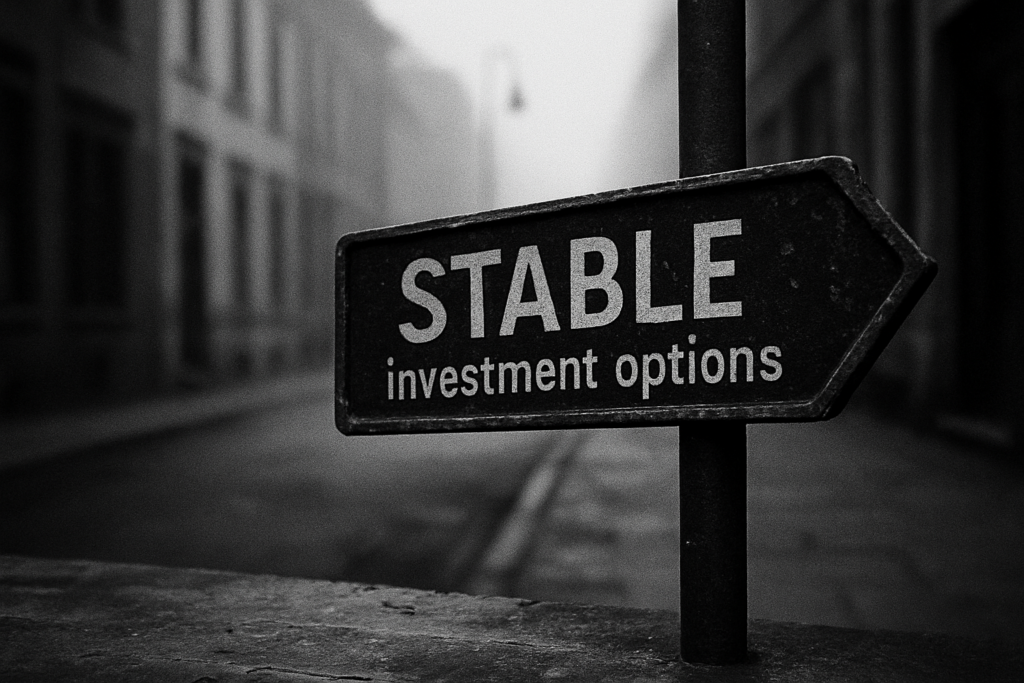
Start With a Strong, Stable Core
If you want to build a portfolio that lasts, start with assets that don’t flinch every time the market sneezes. That means low volatility plays steady options like index funds, government bonds, and dividend paying stocks. These aren’t the kind that make headlines, but they also don’t crater overnight. They’re the financial foundation you build everything else on.
Index funds give you broad exposure with fewer surprises. Bonds especially high grade government ones are about as close as you get to predictability in finance. And dividend stocks hand you cash just for holding on. When you’re piecing together a portfolio, these elements offer rhythm and balance. Hype fades. Trends twist. But consistency? That’s what compounds over the long haul.
In other words: strong, slow, and steady gets you where you want to go. This isn’t about playing it safe it’s about playing it smart.
The Role of Safe Growth
Playing it safe doesn’t mean playing it small. A well structured portfolio can grow steadily without chasing the latest moonshot. The key isn’t speed it’s compounding. Small gains, reinvested consistently, turn into serious returns over time. That’s the magic of patience paired with a plan.
Strategic reinvestment is how safe portfolios quietly outpace their flashier peers. Dividends don’t sit idle they get rolled back in. Bond yields aren’t spent they’re reused. Every dollar earned gets a job. It’s the long game, and it works.
High risk, high reward plays tempt a lot of investors. But too often, they turn into high cost mistakes. Chasing trends, pumping meme stocks, or betting on speculative crypto can wreck an otherwise solid portfolio. Smart investors skip the shortcuts. They know sustained growth is about consistency, not thrill seeking.
For those who want a deeper look at what steady scaling really involves, check out this guide on safe portfolio growth.
Diversification Without Dilution

Diversification isn’t about stacking random investments like trading cards. It’s about spreading risk with intention across sectors, geographies, and asset classes while still keeping your portfolio tight and purposeful.
Let’s break that down. Sector diversification means you don’t go all in on tech or all in on energy. When one takes a hit, the other might cushion the blow. Geographic spread gives you some shelter from local market turbulence think U.S. stocks mixed with exposure to emerging markets or Europe. Asset class balance equities, bonds, maybe some real estate or commodities helps smooth things out over time.
But here’s the kicker: overdoing it can kill your edge. If you’re holding 50 different positions across 20 industries and 10 countries, you’re not diversified you’re unfocused. Each holding should still serve a role. Know why it’s there. Know what it’s hedging or supporting.
Staying diversified without watering things down comes down to intention. Focus where you have conviction, but don’t let a single bet decide your future. Smart spread. Clear purpose. Strong portfolio.
Scaling Moves That Work
Scaling a safe bet portfolio isn’t about going all in when things look good. It’s about timing, discipline, and math. Let’s break that down.
When to Increase Your Position Sizes
You don’t load up on a position just because it’s trending. Instead, you increase size when your core thesis is validated, your portfolio has room, and the fundamentals check out. Signs you’re ready? You’ve hit a milestone in returns, your allocation to that asset class is still within bounds, and market conditions are stable not overheated. Patience is part of the play. Scale gradually, not impulsively.
Rebalancing Tactics That Keep You Aligned
Portfolios drift. Winners get heavier, losers shrink. Rebalancing is how you stay true to your risk profile. Some do it quarterly, others after a set threshold (say, if an asset class grows 5% over target). The method doesn’t matter as much as the consistency. The point is to trim the fat, reinforce the lagging core, and keep your spread rational.
The Math Behind Dollar Cost Averaging at Scale
Dollar cost averaging (DCA) works well with slow, steady growth but scaling it means refining your input. Automate consistent buys, but add logic: deploy more during dips, ease off during rips. Think of it like turning a faucet, not an on/off switch. The larger your portfolio, the more important it is to smooth out entry points small price differences add up fast at scale.
Scaling safely doesn’t mean scaling slow. It means scaling smart. Know your triggers, track your exposure, and let compounding do the grunt work.
Avoiding Pitfalls When Scaling
Scaling a portfolio sounds good until it isn’t. Too often, investors hit a winning streak during a bull run and get reckless. Confidence turns into overconfidence. They pile into riskier assets, double down without a plan, or ignore the risk of retraction. That’s how fast gains turn into fast regrets.
Another trap: chasing returns. It’s easy to abandon a solid strategy when something shiny pops up. But short term moves rarely beat a system built for the long haul. Jumping from trend to trend burns both time and money. Sticking to your playbook, especially during market excitement, is where real discipline pays off.
Liquidity is another overlooked risk. Scaling up without keeping your assets flexible can leave you stuck or forced to sell at the wrong time. And tax implications? Ignoring them is like giving away a chunk of your profits for no reason. Every trade, every shift, every gain has a tax angle. Ignore it, and you pay more than you should.
Growth isn’t about going fast. It’s about planning smart. For more on strategies that actually work, check out this guide on safe portfolio growth.
Building a Repeatable System
Growth isn’t luck. It’s execution. If you want your portfolio to scale consistently, you need to build a process that can stand the test of time and stick to it, even when things get noisy.
Start by tracking performance like it matters, because it does. This isn’t just about checking your gains. It’s about understanding what worked, what didn’t, and why. Tag your investments by strategy, note the holding period, measure outcomes against benchmarks. Cut vanity metrics. Focus on meaningful data.
Then, set rules. Clear, simple ones. For example: don’t chase a stock up 20% in a week. Always rebalance every quarter. Only add to winners, not losers. Write these down. Turn them into habits. Discipline is what keeps your system from breaking down when emotions kick in.
Finally, think long term. A good portfolio evolves, but it doesn’t flinch at headlines. Reacting to every market swing kills compounding. Stick to your playbook, rinse and repeat. Scaling isn’t about speed it’s about staying in the game long enough to let the math work.