How Return to Player Percentages Shape Smarter Online Slot Choices
Return to Player (RTP) percentages are a fundamental element for evaluating online slots. By understanding RTP, you can compare games and develop realistic expectations about long-term returns, but this metric is only one factor to weigh when selecting which slots to play.
Payout transparency in modern online slots provides helpful information for making informed decisions, particularly for those seeking games with fairer odds or appealing experiences. When exploring uk slots, almost every title displays an RTP percentage. It is important to recognize, however, that this figure does not guarantee results for any single session. RTP represents a theoretical long-term average and functions best as a tool for comparison across different games, rather than as a predictor of immediate outcomes. Growing familiarity with RTP should be paired with a broader understanding and responsible choices.
Understanding how return to player rates work
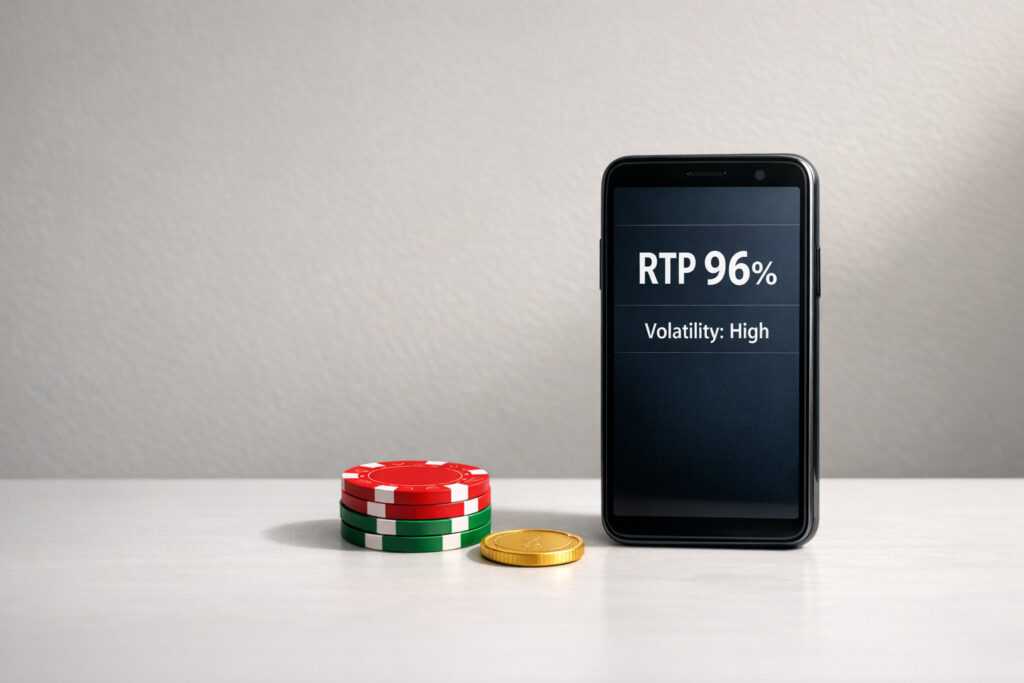
The term Return to Player refers to the theoretical percentage of total wagers that a slot game is designed to pay back to players across a very large number of spins. For instance, a slot with a 96% RTP is intended, over time, to return $96 for every $100 bet—this reflects an average calculated over millions of spins, not a guarantee for a particular game session.
Opposite the RTP is the house edge, reflecting the casino’s expected long-term advantage. A 96% RTP leaves a 4% house edge. This relationship clarifies how much of your stakes contribute to the operator’s margin as opposed to potential payback over an extended period.
Short-term results and volatility in slots
Although RTP indicates a slot’s designed long-term payback, short-term outcomes can vary significantly because of volatility, also known as variance. Volatility describes how frequently and how much a slot pays out. High volatility slots may provide larger, less frequent winnings, while low volatility slots often result in smaller, more regular payouts.
Outcomes from a brief session rarely match the RTP due to these random streaks. Even after hundreds of spins, results may still differ considerably from the stated RTP, with true averages emerging only over vast numbers of plays—a scale typically far beyond most single gaming sessions.
Locating, understanding, and comparing RTP details
The RTP for each slot is usually found in the game’s information panel or paytable, allowing you to check this detail before playing. Most modern slots display RTP to promote transparency, as players increasingly recognize its significance for making informed selections.
Online slot RTP values are often in the mid-90% range, though specific rates vary by game and jurisdiction. These numbers are theoretical, based on extensive trial results, and should not be interpreted as an expectation for a particular play session.
Best gambling strategies using RTP and volatility
Many experienced players compare similar games based on RTP to select those with potentially higher long-term returns. However, RTP alone may make only a marginal difference per spin, especially compared to the role of volatility or your personal preferences.
RTP is most useful when combined with awareness of volatility, game features, and your individual playing style. This approach can lead to smarter, more enjoyable choices across your slot sessions.
Bankroll guidance and common RTP misconceptions
Effective bankroll management involves considering RTP while also budgeting for the natural ups and downs that occur in gameplay. It is important to avoid altering your stakes on the assumption that results will quickly “even out” to meet the RTP.
A high RTP does not guarantee a win, nor is any slot “due” for a big payout after a series of losses. Differences in RTP are typically modest per spin. Responsible play means using RTP as one informative factor in your decision-making, always keeping within your set spending limits and viewing play as entertainment.